Managing a renovation from another city or state adds another layer of complexity to an already demanding project. Property owners may be relying on contractors, property managers, family members, or local representatives to oversee demolition, deliveries, cleanup, inspections, and daily progress without being physically present.
Waste removal is one area where clear planning can prevent unnecessary problems. A dumpster that is delivered to the wrong location, fills earlier than expected, blocks another contractor, or cannot be picked up because access is obstructed can disrupt the project quickly. Property owners managing work remotely should treat dumpster planning as part of the broader construction schedule rather than leaving disposal decisions entirely to chance.
Establish One Local Point of Contact
Remote projects work best when one person has responsibility for day-to-day site coordination. That person may be the general contractor, property manager, project superintendent, or another trusted local representative.
The point of contact should understand the dumpster plan, expected delivery and pickup dates, approved placement location, and which materials are being discarded.
Having one person responsible for communication reduces the chance that several contractors give conflicting instructions or assume someone else is handling service changes.
Confirm the Project Scope Before Delivery
Property owners should understand what parts of the building will be renovated before arranging a dumpster. A bathroom remodel produces a very different waste stream from a whole-house renovation or major turnover project.
Ask the contractor to identify the main demolition materials, approximate project sequence, and phases likely to create the most debris. Cabinets, flooring, drywall, old fixtures, trim, roofing, siding, and other materials may all affect capacity differently.
The more accurately the scope is defined, the easier it becomes to coordinate disposal without being on-site.
Request Photos of the Proposed Placement Area
Remote owners should not rely solely on a verbal description of where the dumpster will go. Ask the local contact to provide clear photos of the driveway, street, side yard, alley, or other proposed placement location.
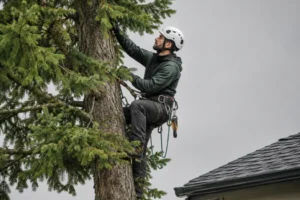
Photos should show overhead branches, utility lines, garage access, neighboring driveways, parked vehicles, slopes, gates, and nearby construction staging areas.
This gives the owner a better understanding of how the container will affect the property and helps identify obvious conflicts before delivery.
Coordinate Placement With the Contractor
Dumpster placement should support the renovation without interfering with work. The closest location to the building is not always the best choice if it blocks material deliveries, contractor parking, equipment access, or future construction.
Using Temporary Dumpster can help property owners coordinate dumpster service around residential renovation projects, even when the owner is managing the work remotely.
The local contractor should confirm the exact placement area before the container arrives so the delivery driver is not forced to make an on-the-spot decision.
Give Clear Written Instructions
Remote project management depends heavily on written communication. Important dumpster instructions should not exist only in phone conversations.
Send the local contact a short written plan covering the approved location, who can request service changes, which contractor is responsible for loading, and any known access restrictions.
Written instructions help prevent misunderstandings and provide something the project team can reference if different workers are on-site throughout the renovation.
Build Dumpster Service into the Construction Schedule
A remotely managed dumpster should not operate on an entirely separate schedule from the renovation. Delivery, swaps, and final pickup should line up with major construction phases.
Demolition may require the most capacity, while framing and rough work may generate smaller amounts. Exterior work later in the project could produce another large debris increase.
Property owners should ask for the construction schedule and identify the points where dumpster service may be needed instead of waiting for someone to report that the container is already full.
Require Regular Capacity Updates
One of the easiest ways to manage waste remotely is through photographs. Ask the contractor or property manager to send periodic images showing how full the dumpster is.
These updates do not need to happen every day. They are most useful during demolition and other debris-heavy phases.
A simple photo can help confirm whether the project is progressing as expected and whether pickup or replacement should be scheduled before crews run out of disposal space.
Avoid Waiting Until the Dumpster Is Full
Remote owners can lose valuable project time when service is requested only after the dumpster reaches capacity. Contractors may begin stacking debris beside it or inside the property while waiting for another container.
Instead, the local point of contact should notify the owner or authorized person when the dumpster is approaching its practical limit.
Scheduling service a little early is generally easier than trying to recover after cleanup has already stopped.
Define Who Can Authorize Changes
Remote projects can become confusing when several people are capable of requesting pickups, extensions, or placement changes.
The property owner should decide in advance whether the general contractor, property manager, or owner will authorize adjustments. Everyone else should know who to contact if the dumpster needs attention.
This helps prevent duplicate requests and reduces the chance that someone changes the service plan without understanding how it affects the rest of the renovation.
Keep Incoming Materials Away From the Dumpster
Remote owners may not see how quickly a driveway fills with construction materials. Lumber, drywall, flooring, cabinets, appliances, pallets, and contractor trailers can gradually crowd the same space needed for dumpster service.
Ask the contractor to keep new materials separate from the container and its pickup route.
This is particularly important if the dumpster will need to be removed or swapped during the middle of the project.
Protect the Service Route
A dumpster can be loaded perfectly and still become a problem if the service truck cannot reach it. Vehicles, trailers, scaffolding, temporary fencing, delivered materials, or construction equipment can block access.
The local contact should know which area must remain open for pickup.
Before a scheduled service date, ask for confirmation that the route is clear. This small step can help avoid missed pickups and construction delays.
Plan for Multiple Contractors
Remote renovations often involve several separate trades. Flooring installers, electricians, plumbers, roofers, painters, and carpenters may all arrive at different stages.
Each contractor should understand where debris belongs and whether they are expected to use the same dumpster.
Without clear rules, one crew may fill the container with material the general contractor expected to reserve space for later.
Separate Materials That Need Different Handling
Not every material from a renovation should automatically go into the same dumpster. Paint, chemicals, certain electronics, batteries, and other restricted items may require separate disposal.
There may also be reusable or recyclable materials that the property owner wants saved instead of discarded.
Remote owners should discuss these categories with the contractor before demolition. Once materials are mixed into a large debris load, they may be difficult or impossible to recover.
Use Progress Photos Beyond the Dumpster
Dumpster photos can also become part of broader project documentation. Ask the contractor to photograph major demolition areas before and after cleanup.
These images help remote owners verify that debris is being removed rather than simply moved elsewhere on the property.
Photos can also reveal whether garages, yards, hallways, or neighboring areas are becoming unofficial overflow zones.
Prevent Temporary Piles From Becoming Permanent
When owners are not present, it can be easy for crews to create temporary debris piles that remain for days. Waste may collect in garages, basements, side yards, or behind the property.
The local contact should be instructed to move approved debris toward the dumpster regularly rather than allowing it to accumulate.
Temporary piles increase handling and can make it harder to determine how much cleanup actually remains.
Coordinate Cleanup with Inspections
If the project requires inspections, debris should be cleared from the relevant work areas beforehand. Inspectors may need access to framing, plumbing, electrical systems, utility areas, or other building components.
Remote owners should ask contractors to include cleanup as part of the inspection preparation.
This reduces the chance that clutter interferes with access and gives the owner another natural milestone for checking project progress.
Watch for Scope Creep
Renovation projects often expand once walls, flooring, or fixtures are removed. Hidden damage, outdated systems, or previously unknown construction may increase both the work and the waste.
Property owners managing projects remotely should ask contractors to report significant scope changes promptly.
Additional demolition may require another dumpster service cycle, and it is easier to adjust early than to discover later that the original disposal plan was no longer sufficient.
Confirm Final Cleanup Before Pickup
The dumpster should not be removed simply because the main contractor says demolition is complete. Punch-list work, packaging, fixture installation, and final repairs may still generate debris.
Ask the contractor whether any significant waste-producing tasks remain before authorizing final pickup.
Once the container is gone, leftover construction debris becomes more difficult to handle efficiently.
Request Final Site Photos
Before closing out the waste portion of the project, ask for final photographs of the driveway, garage, yard, entrances, and former dumpster location.
The goal is to verify that loose debris, packaging, scraps, and overflow piles have been removed.
These photos also give remote owners a clearer picture of how the property was left before final cleaning, tenant turnover, listing, or occupancy.
Avoid Micromanaging Every Load
Remote management does not require constant monitoring. Property owners should establish a clear system and allow the contractor or project manager to handle routine cleanup within that framework.
The owner mainly needs reliable reporting, defined authority, and checkpoints around major service decisions.
A good system reduces the need for constant calls while still giving the owner enough visibility to prevent costly mistakes.
Dumpster rental strategy for property owners managing renovations from a distance depends on communication, documentation, and clear responsibility. Without an owner physically present, small problems involving placement, access, capacity, or service timing can easily go unnoticed until they interfere with the project.
By assigning a local point of contact, confirming placement with photos, coordinating service with the construction schedule, monitoring capacity, protecting pickup access, and requiring final documentation, remote property owners can maintain much better control over renovation waste. A structured disposal plan keeps debris moving off the property while allowing contractors to continue working without unnecessary interruptions.
Also Read
- JC Slang Meaning in Text: What Does JC Mean in Chat?
- Honor vs Honour: Which Spelling Is Correct?
- Verbiage vs Verbage: Meaning, Correct Spelling?