Heating and cooling systems do most of their work quietly. As a result, people often notice them only when a room becomes uncomfortable or a repair bill arrives. Regular attention can help keep equipment reliable, but the most effective routine combines safe homeowner checks with qualified technical service. The goal is to catch restrictions, poor settings and developing faults before they disrupt everyday comfort.
Give Air Filters the Attention They Need
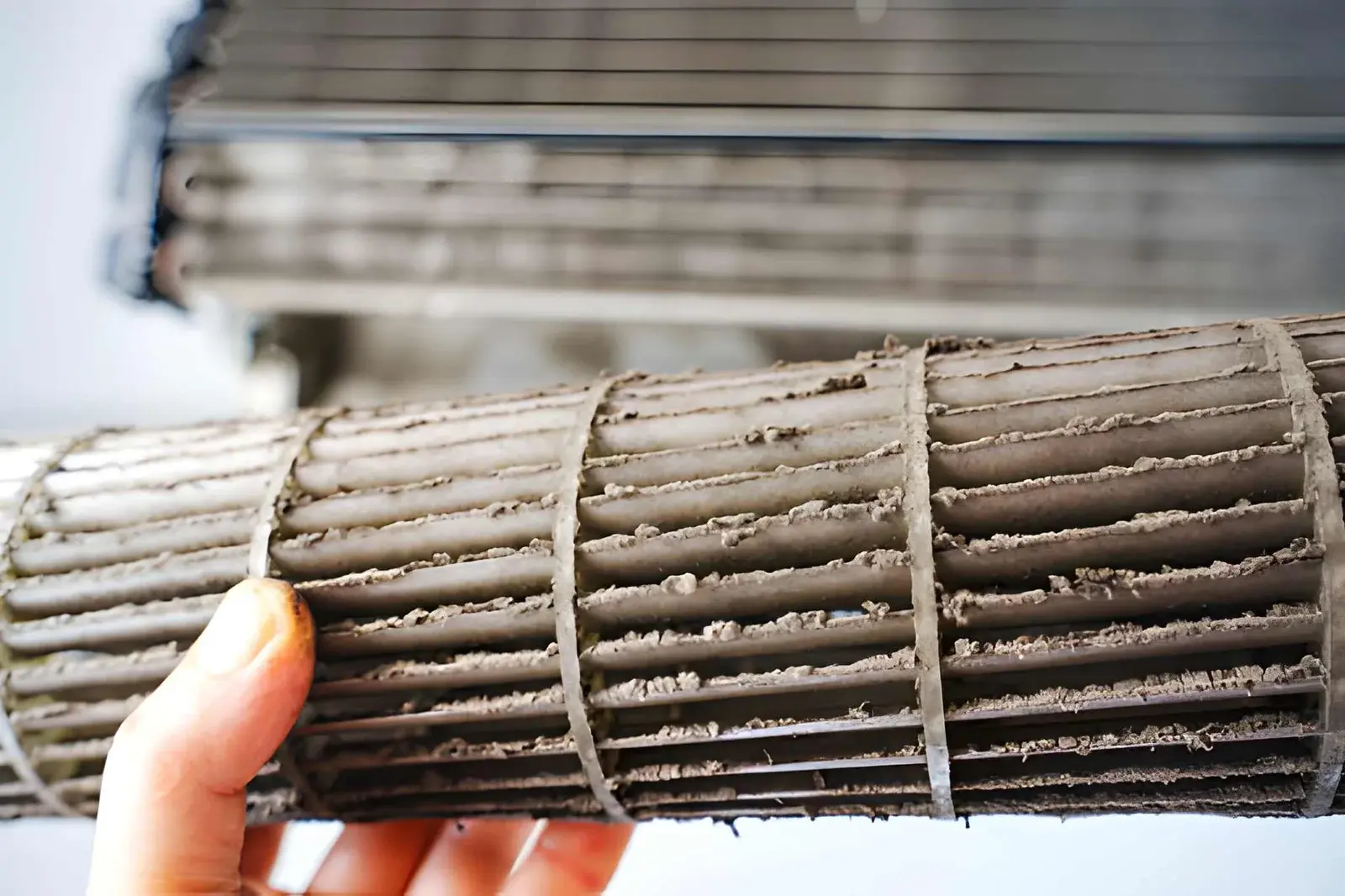
A dirty filter restricts airflow, which can make a system work harder and perform poorly. Inspect filters at intervals appropriate to your equipment, household dust levels and manufacturer guidance. Some filters need replacement, while washable models need cleaning and complete drying before reuse.
Use the specified size and a filtration level the system can accommodate. A very restrictive filter is not automatically the best choice. The Department of Energy’s preventive-maintenance resource describes how clogged filters affect airflow and equipment operation.
Protect Supply and Return Air Paths
Furniture, rugs and storage boxes should not block supply registers or return grilles. Inspect visible grilles for accumulated dust, but avoid pushing debris into ductwork. If one room consistently receives little conditioned air, note the pattern rather than repeatedly adjusting every vent.
Uneven airflow may reflect duct damage, incorrect balancing, closed dampers or equipment issues. A technician can measure static pressure and airflow to distinguish the causes. Closing multiple vents to save energy can create pressure problems in some systems, so follow the system designer’s guidance.
Use Thermostat Settings Deliberately
Set heating and cooling schedules around when people are home, and make gradual adjustments that preserve comfort and safety. On compatible systems, programmable or smart thermostats can reduce needless runtime when the property is unoccupied.
However, some heat-pump systems use special control strategies during temperature setbacks. Check the equipment instructions before making aggressive schedule changes. Also keep thermostats away from direct sunlight, heat-producing appliances or other conditions that distort room-temperature readings.
Keep Outdoor Equipment Clear
Remove leaves, grass clippings and clutter around accessible outdoor units while following the manufacturer’s clearance recommendations. Maintain safe distance from moving fans and electrical components. Avoid pressure washing sensitive equipment or dismantling panels to reach coils.
After storms, a quick visual check can reveal damaged insulation, fallen branches or unexpected debris. If the unit vibrates strongly, makes unusual noises or shows visible damage, switch it off when safe and arrange professional inspection.
Notice Moisture Before It Causes Damage
Air conditioners produce condensate that must drain correctly. Water pooling near the indoor unit, recurring overflow alarms or musty smells can indicate a drainage or moisture problem. Do not ignore repeated wet areas, even if cooling still works.
Persistent moisture can damage surrounding materials. The EPA’s advice on controlling indoor moisture recommends identifying and fixing the water source rather than merely treating surface symptoms.
Schedule Skilled Service and Track Changes
Professional maintenance may include checking refrigerant-related performance, electrical connections, safety controls, airflow and mechanical components. These tasks require suitable training and should not be attempted through improvised household repairs.
Keep records of service dates, reported faults and energy-bill changes. Comparing similar weather periods can help reveal unusual consumption, although household use also affects costs.
Conclusion
HVAC maintenance works best as a series of small, consistent decisions. Clean filters, unobstructed airflow, sensible settings and timely professional inspections help support comfort without turning routine care into risky do-it-yourself repairs.
Also Read-
- OMK Meaning in Text: What Does OMK Mean in Chat?
- WFH Meaning in Text: What Does WFH Mean?
- WFH Meaning in Text: What Does WFH Mean?